Research
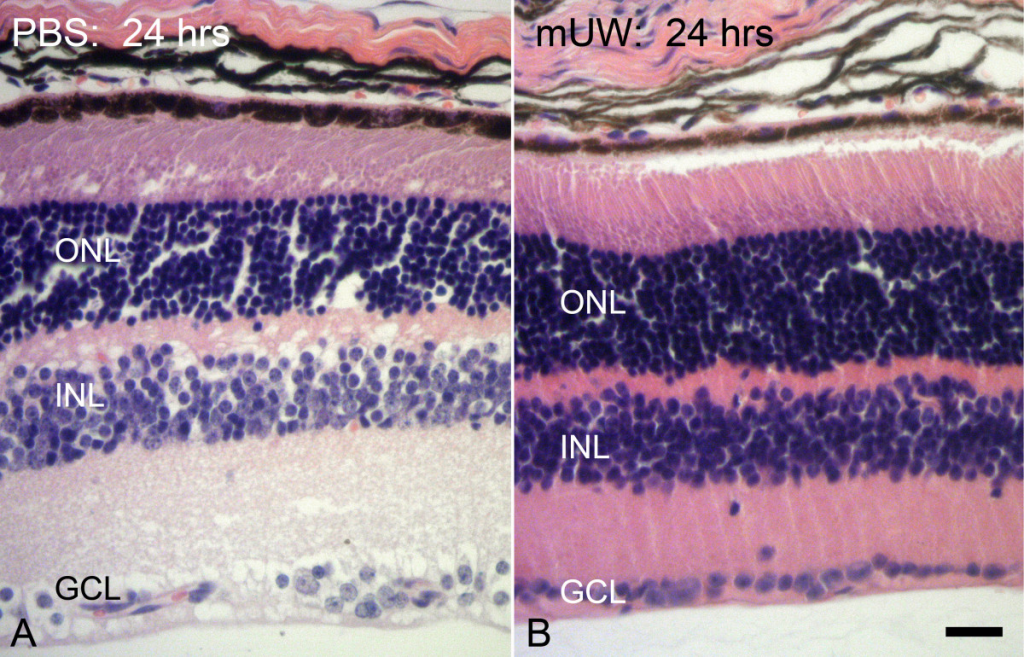
Cold Storage Solution for Whole Eye Transplantation
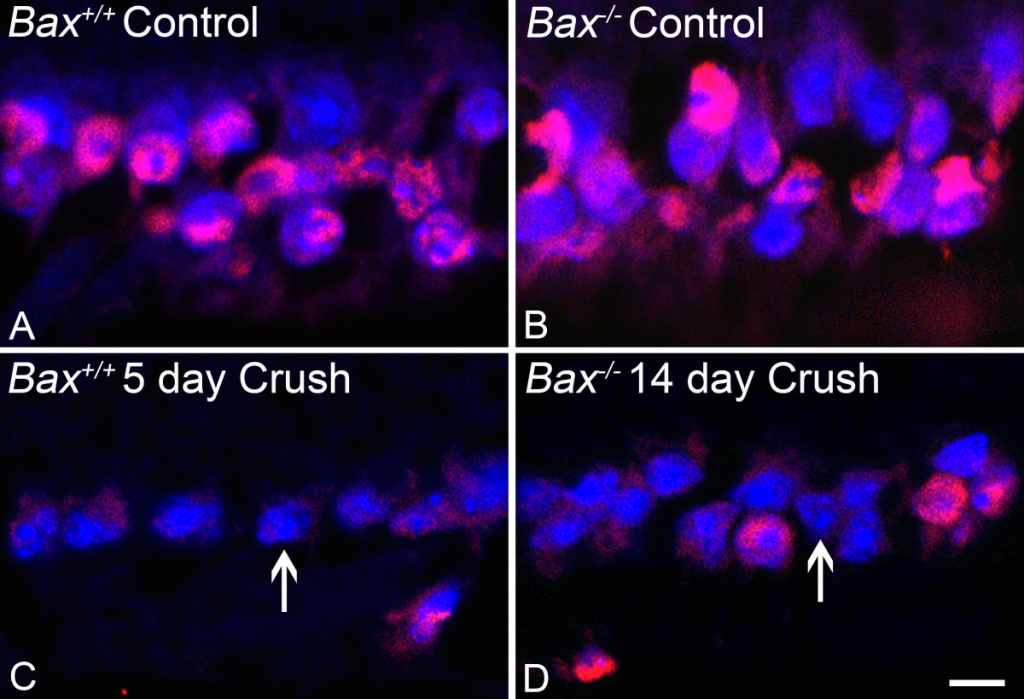
It is not possible to successfully transplant whole eyes from a donor to a recipient, mostly because removal of the donor eye damages the optic nerve and stimulates the process of axonal degeneration and retinal ganglion cell death.
The Role of Pro-Apoptotic BAX in Retinal Ganglion Cell Pathology
Optic nerve damage, including the damage produced by ocular hypertension in glaucoma, causes the degeneration of ganglion cell axons in the optic nerve and the death of these cells in the retina. The result in mammals is irreversible blindness.
Gene Therapy to Treat Glaucoma
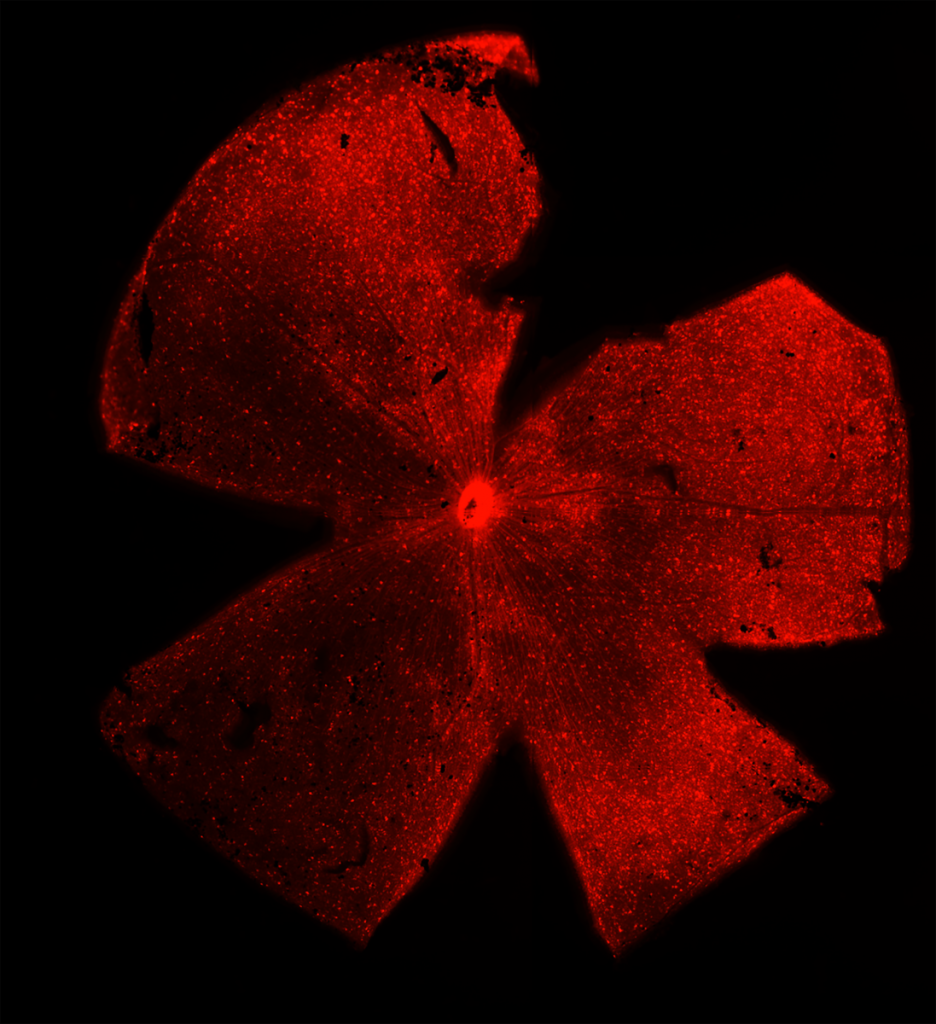
Retinal ganglion cells, the cells that are damaged in glaucoma, are highly receptive to gene therapy using adeno-associated virus-mediated gene delivery.
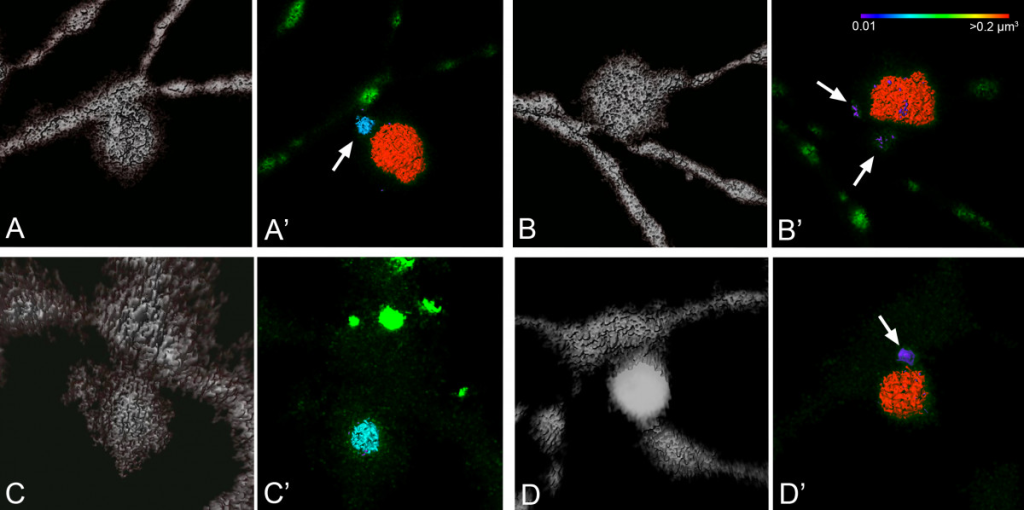
Mitochondrial Dynamics in Retinal Ganglion Cells
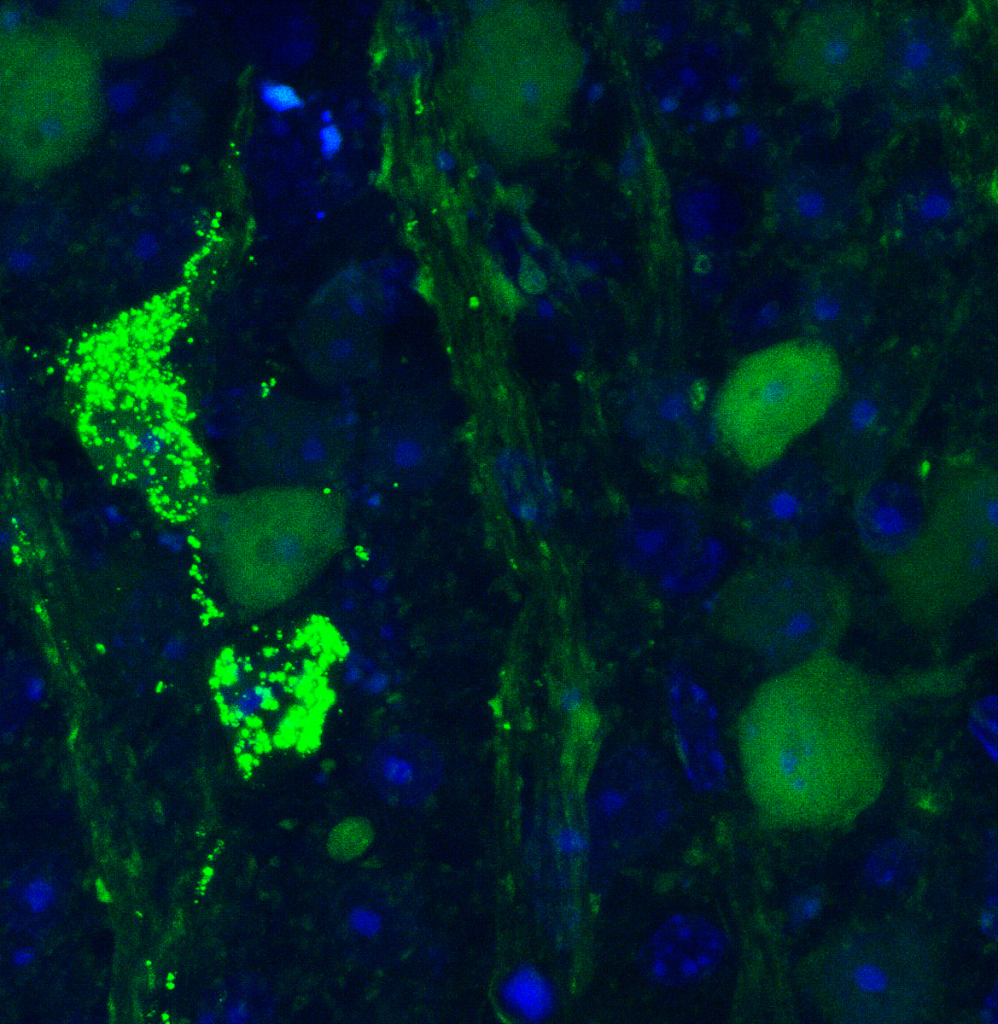
Mitochondrial health plays a huge role in the resilience of neurons to damaging conditions and retinal ganglion cells are no exception.
Quiescent Retinal Ganglion Cells — The Zombie Apocalypse
A principal goal in developing a neuroprotective strategy is to block the death of the cells and also have them retain normal function.